
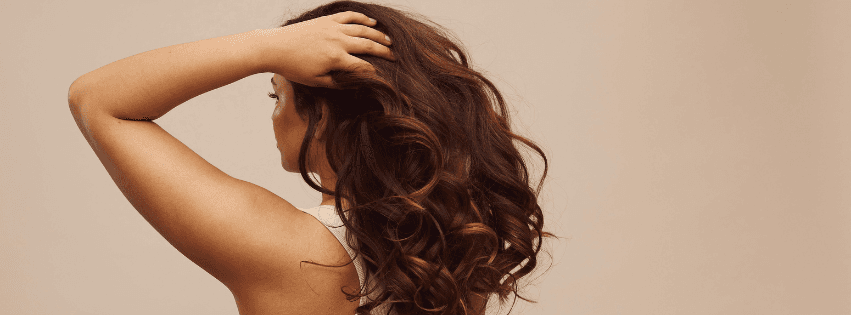
Hair fall is one of the most common concerns faced by individuals across all age groups. While losing a small amount of hair daily is completely normal, excessive hair fall can be alarming and often indicates underlying health issues.
Understanding the root cause of hair fall is essential for addressing it effectively. Hair loss is rarely caused by a single factorit is usually the result of a combination of nutritional deficiencies, hormonal imbalances, lifestyle habits, and environmental factors.
One of the primary causes of excessive hair fall is nutritional deficiency. Hair follicles require a steady supply of nutrients to maintain the growth cycle. Deficiencies in essential nutrients such as biotin, iron, zinc, and omega-3 fatty acids can weaken hair roots and lead to increased shedding.
Modern diets often lack these essential nutrients, especially when they are high in processed foods and low in whole, nutrient-dense foods. Even individuals who maintain a balanced diet may experience deficiencies due to poor absorption or increased nutritional demands.
Stress is another major contributor to hair fall. High stress levels can disrupt the hair growth cycle, pushing more hair follicles into the shedding phase. This condition, known as telogen effluvium, can result in noticeable hair loss over time.
Hormonal imbalances also play a significant role. Conditions related to thyroid function, as well as hormonal fluctuations, can affect hair growth and lead to thinning or excessive shedding.
Scalp health is equally important. Poor scalp hygiene, excessive use of chemical-based products, and exposure to pollution can damage hair follicles and hinder healthy growth.
To control hair fall, it is important to adopt a comprehensive approach. Improving diet is the first step. Consuming foods rich in protein, healthy fats, and essential vitamins helps nourish hair from within. Including foods that support scalp health and reduce inflammation can also make a difference.
Managing stress through relaxation techniques such as meditation, exercise, and proper sleep can help regulate the hair growth cycle. Maintaining good scalp hygiene and minimizing the use of harsh chemicals can further support hair health.
In many cases, supplementation can provide additional support by addressing nutritional gaps. Supplements that include essential vitamins, minerals, and omega-3 fatty acids can help strengthen hair roots and promote healthy growth.
Omega-3 fatty acids, in particular, play an important role in reducing inflammation and improving scalp health. High-quality plant-based omega-3 supplements offer a clean and sustainable way to support hair health without exposure to contaminants.
Well formulated supplements, such as those developed with a focus on bioavailability and purity like Revatak, are designed to support hair health from within by providing essential nutrients consistently over time.
Hair fall cannot be reversed overnight, but with the right approach and consistency, it is possible to reduce hair loss and improve overall hair quality.