
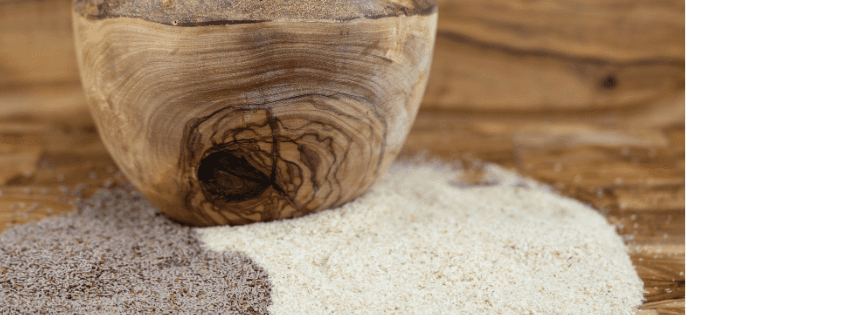
Ask your grandmother what to do when your stomach feels off, and there is a good chance she will mention isabgol. Many Indian homes have kept a packet in the kitchen for generations. What most of us do not know is that isabgol has an English name too: psyllium husk.
Where does it come from?
Psyllium husk comes from the outer covering of the seeds of the Plantago ovata plant. It is light, fluffy and almost tasteless, which is why it is easy to add to a daily routine.
What does it do in your body?
Psyllium husk is a source of soluble fiber. When it meets water, it absorbs it and turns soft and gel-like. This adds bulk to your stool and helps keep digestion regular but you have to drink good amount of water as Psyllium husk will turn gel like and for that it needs water.
Why fiber matters so much
Busy routines and packaged food mean many of us do not eat enough fiber. Besides keeping things moving, fiber also feeds the good bacteria in your gut. A little extra fiber each day is one of the simplest ways to look after your digestion.
Tips for using fiber well
Always take fiber with plenty of water, because it needs water to do its job. Increase the amount slowly so your body can adjust. And keep eating fruits, vegetables and whole grains too. A supplement should add to a good diet, not replace it.
Isabgol in a modern format
Psyllium Husk is one of the main ingredients in Revatak Gut Support, combined with Haritaki and Ginger. The capsules are vegetarian, so they suit most diets.
The bottom line
Isabgol has earned its place in Indian homes for a reason. It is simple, familiar and easy to use. Take it with enough water, build it up slowly, and let it support the healthy habits you already have.