
Healthy eating often fails because people think it requires complicated recipes, expensive ingredients, or too much preparation. After a long workday, most individuals choose convenience foods because cooking feels tiring and time-consuming.
This is exactly why simple meals matter.
A good healthy recipe should be practical enough to fit real life.
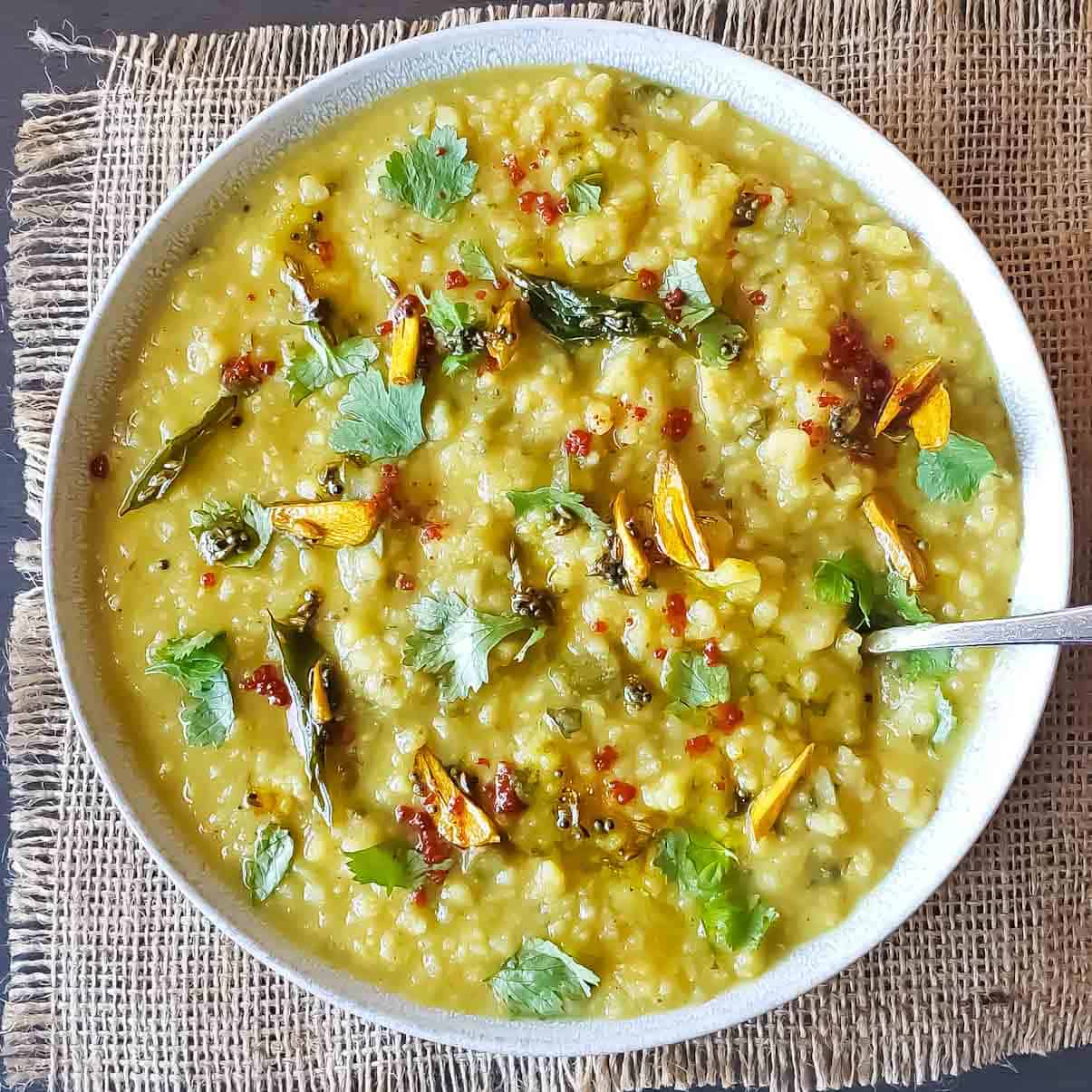
One of the best examples of this is traditional one-pot khichdi. It’s simple, balanced, easy to digest, and requires minimal effort. Despite being underestimated as “basic food,” khichdi can actually become a powerful daily meal when prepared correctly.
The combination of rice and lentils creates a balanced mix of carbohydrates and plant protein. This helps provide steady energy while also making the meal satisfying. Unlike highly processed fast food, khichdi feels lighter on digestion and less mentally exhausting after eating.
Another major advantage is flexibility. You can adjust ingredients based on your needs, taste, or available vegetables without making the recipe complicated.
Ingredients
½ cup rice
½ cup moong dal
1 small chopped carrot
½ cup peas
1 chopped tomato
1 small onion
1 teaspoon cumin seeds
Turmeric
Salt
1 teaspoon ghee
Water as needed
Optional additions:
Spinach
Capsicum
Beans
Ginger
How to Prepare
Wash rice and dal properly.
In a pressure cooker or pot, heat a small amount of ghee and add cumin seeds. Add onions and tomatoes, then lightly sauté vegetables. Add rice, dal, turmeric, salt, and water.
Cook until soft.
That’s it.
Minimal cooking. Minimal cleanup.
Why This Meal Works Well
The simplicity is what makes khichdi powerful.
Rice provides easily digestible energy, while moong dal adds protein and improves fullness. Vegetables increase fiber and micronutrient content without making the meal heavy.
Because it’s cooked together in one pot, digestion becomes easier compared to heavily fried or processed meals. This is especially useful for people who experience heaviness after eating complicated meals.
Khichdi is also practical for busy schedules. Instead of ordering unhealthy food during hectic days, you can prepare a balanced meal quickly without sacrificing nutrition.
Another important benefit is comfort. Simple meals reduce digestive stress and often improve consistency with healthy eating because they feel manageable long term.
Best Time to Eat It
This recipe works well:
Lunch
Dinner
Recovery meal after heavy eating days
It’s especially useful when your digestion feels overloaded or your routine becomes irregular.
Common Mistakes to Avoid
Excess oil or butter
Too much spice
Overloading with processed toppings
Keep the recipe simple. Overcomplicating it reduces the benefits.
Why Simplicity Matters
One of the biggest reasons people fail with healthy eating is sustainability. Complex meal plans usually collapse after a few days. Simple meals are easier to repeat consistently, and consistency creates better long-term health than temporary perfection.
Conclusion
Healthy food does not need to be complicated.
Sometimes the simplest meals work the best.