
Introduction
You’ve heard it before:
Omega-3 is good for you.
But what about Omega-6?
Here’s the part most people don’t know:
Both Omega-3 and Omega-6 are essential but the balance between them is what actually matters.
And right now, most people have it completely wrong.
What Are Omega-3 and Omega-6?
Both are essential fatty acids.
Which means:
Your body cannot produce them
You must get them from food
They are required for
Brain function
Cell structure
Hormone production
But they behave very differently inside your body.
Omega-3: The Anti-Inflammatory Fat
Omega-3 fatty acids (especially DHA & EPA)
Reduce inflammation
Support brain health
Improve heart function
They help your body stay balanced and protected.
Omega-6: The Pro-Inflammatory Fat
Omega-6 fatty acids
Support growth and development
Help in immune response
But here’s the catch:
In excess, they promote inflammation
And that’s where problems begin.
The Real Issue: Imbalance
In an ideal situation, your body needs both.
But in modern diets:
Omega-6 intake is very high
Omega-3 intake is very low
This creates an imbalance.
Instead of a healthy ratio like:
1:1 to 1:4
Most people consume:
1:15 or worse
Why This Imbalance Is Dangerous
Too much Omega-6 and too little Omega-3 leads to
Chronic inflammation
Low energy
Poor heart health
Reduced brain function
This imbalance doesn’t show immediate symptoms but it affects long-term health.
Where Omega-6 Comes From
You’re getting Omega-6 from
Refined vegetable oils
Processed foods
Fried snacks
This is why intake is already high.
Where Omega-3 Comes From
Real sources of Omega-3 (EPA & DHA)
Fatty fish
Algae-based sources
Plant sources like:
Flaxseeds
Chia seeds
Contain ALA, which converts poorly into DHA/EPA.
Why Vegetarians Face a Bigger Problem
If you’re vegetarian
No fish intake
Limited DHA/EPA sources
So even if you eat healthy,
you may still lack effective Omega-3.
Food Alone vs Reality
In theory, you can balance through diet.
In reality
Modern food is skewed toward Omega-6
Omega-3 sources are limited
So imbalance continues.
What Actually Fixes the Ratio
You don’t need to eliminate Omega-6.
You need to
Reduce excess Omega-6
Increase Omega-3 intake
That’s how balance is restored.
Where Smart Supplementation Helps
A well-designed supplement helps correct imbalance.
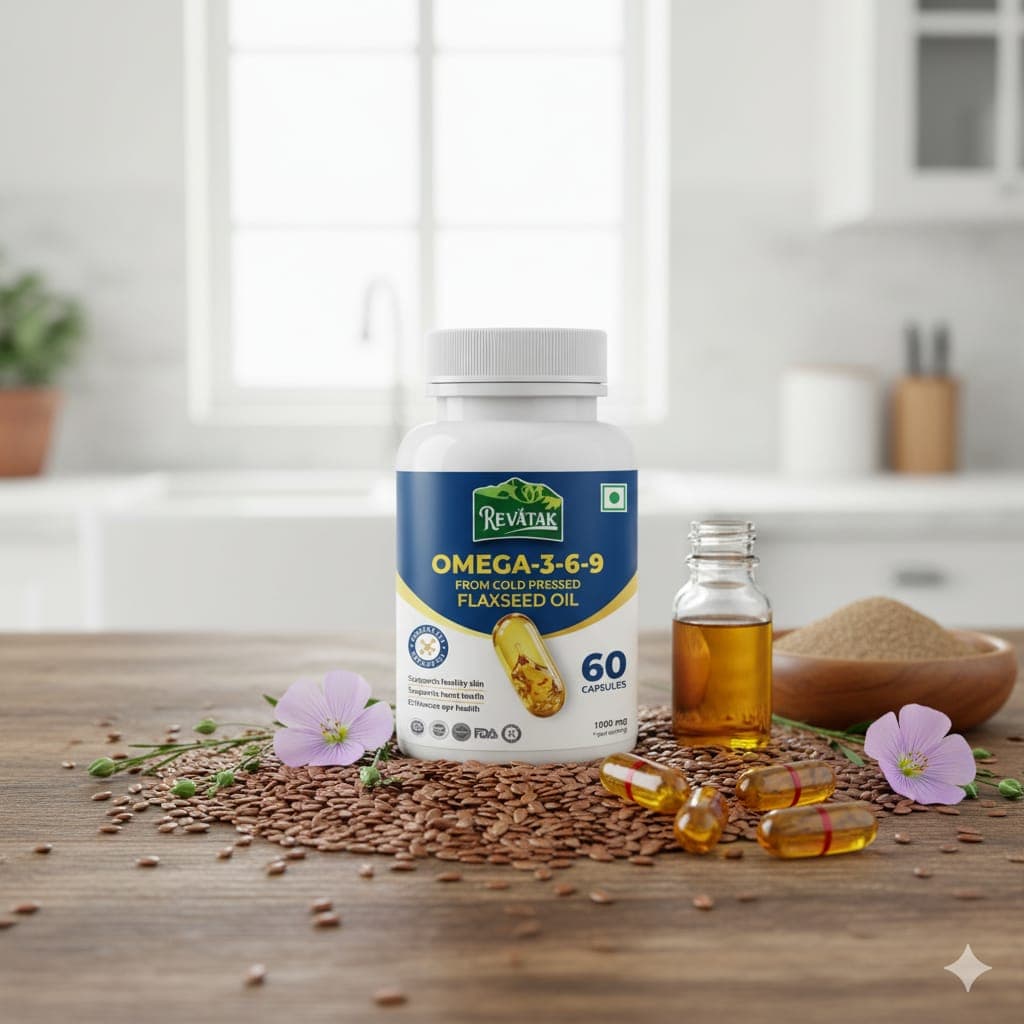
For example, Revatak Vegan Omega 3-6-9 provides
Balanced fatty acid support
Plant-based Omega-3
Daily consistency
Helping your body move toward a healthier ratio.
The Hard Truth
You don’t have an Omega-6 deficiency.
You have an Omega-3 deficiency.
And that’s the real problem.
Conclusion
Omega-3 and Omega-6 are both essential but balance is everything.
Too much of one and too little of the other
creates long-term health issues.