
Introduction
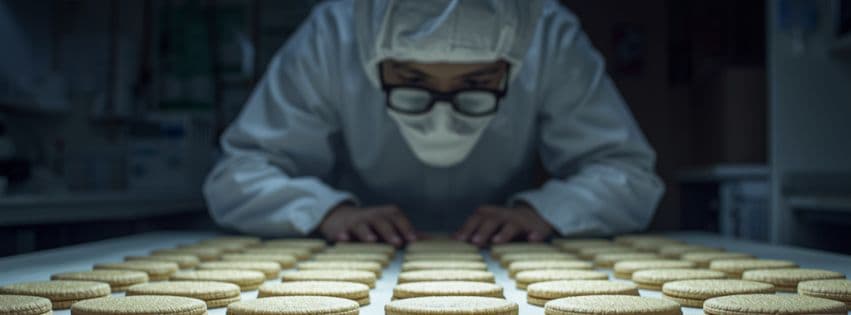
Walk into any supermarket today, and you’ll notice something immediately most of what’s available isn’t real food in its natural form. It’s processed, packaged, preserved, and engineered for convenience.
And that’s exactly the problem.
Processed food has quietly become the foundation of modern diets. It’s fast, easily available, and designed to taste good. But behind that convenience comes a cost poor nutrition, overeating, digestive issues, and long-term health risks.
Many people think they eat “okay” because they avoid junk food occasionally. But the reality is harsher. Even everyday items like packaged snacks, refined grains, sugary drinks, and ready-to-eat meals fall into the processed category.
If you want real improvement in your health, energy, or body composition, minimizing processed food is not optional—it’s essential.
What Processed Food Actually Means
Not all processing is bad, and this is where confusion begins.
Basic processing like washing, cutting, or freezing food is completely normal and does not harm its nutritional value significantly. The problem starts with heavily processed foods that are altered with additives, preservatives, artificial flavors, and excessive amounts of sugar, salt, and unhealthy fats.
These foods are designed for shelf life and taste, not for your body’s needs.
The more a food is altered from its natural state, the less control you have over what you’re actually consuming. What looks like a simple snack often contains multiple ingredients that your body doesn’t need and struggles to handle efficiently.
Why Processed Food Is So Hard to Avoid
Processed food dominates because it solves short-term problems.
It saves time, requires little preparation, and delivers strong flavors that make it addictive. In a busy lifestyle, this convenience becomes hard to resist.
But convenience often leads to compromise.
These foods are engineered to make you eat more than you need. They combine sugar, salt, and unhealthy fats in a way that triggers your brain’s reward system, making it difficult to stop at a normal portion.
Over time, this leads to habitual overeating, even when you’re not actually hungry.
This is not a lack of discipline it’s a predictable response to how these foods are designed.
How Processed Food Affects Your Body
The effects of processed food are not always immediate, which is why many people underestimate the damage.
One of the first areas affected is digestion. Processed foods are typically low in fiber and high in artificial ingredients, making digestion less efficient. This can lead to bloating, constipation, and discomfort.
Energy levels are also impacted. Highly processed foods cause rapid spikes in blood sugar followed by sudden crashes. This creates a cycle of temporary energy followed by fatigue, making you rely on more food or caffeine to stay active.
Another major issue is nutrient deficiency. Processed foods often lack essential vitamins and minerals, even if they are high in calories. This means your body gets energy but not the nutrients it needs to function properly.
Over time, this imbalance contributes to weight gain, metabolic issues, and an increased risk of lifestyle diseases such as obesity, diabetes, and heart conditions.
The Hidden Link Between Processed Food and Fat Gain
Fat gain is not just about eating too many calories it’s about how those calories affect your body.
Processed foods are easy to overconsume because they are less filling and highly palatable. They don’t provide the same level of satiety as whole foods, which means you end up eating more without realizing it.
They also disrupt hunger signals. Your body struggles to recognize fullness properly, leading to repeated eating throughout the day.
In addition, processed foods often contain a combination of refined carbohydrates and unhealthy fats, which encourages fat storage when consumed in excess.
This is why people who rely heavily on processed food often struggle with weight management, even if they believe they are not eating “too much.”
Why Whole Foods Work Better
Whole foods are closer to their natural state and provide your body with what it actually needs.
They contain fiber, vitamins, minerals, and natural compounds that support digestion, energy production, and overall health. Unlike processed foods, they are harder to overeat because they are more filling and require more effort to consume.
When your diet is based on whole foods, your body functions more efficiently. Digestion improves, energy levels stabilize, and hunger becomes easier to control.
This is not about eating perfectly it’s about shifting the foundation of your diet.
The Psychological Side of Processed Food
One aspect people ignore is how processed food affects behavior.
These foods are designed to create cravings. The combination of flavors and textures makes them highly rewarding, which can lead to habitual eating even when you’re not hungry.
Over time, this weakens your ability to rely on natural hunger signals. You start eating based on cravings rather than actual need.
Breaking this cycle requires awareness. Once you reduce processed food intake, your taste preferences gradually reset, and natural foods start to feel more satisfying.
How to Transition Away from Processed Food
Completely eliminating processed food overnight is unrealistic and usually leads to failure.
A more effective approach is gradual reduction. Start by identifying the most frequent processed items in your diet and replacing them with better alternatives.
Improving one meal at a time is more sustainable than trying to fix everything at once. As your habits improve, your reliance on processed food naturally decreases.
Consistency matters more than perfection. Occasional processed food will not harm you, but making it a daily habit will.
Long-Term Benefits of Minimizing Processed Food
When processed food intake is reduced, the benefits go beyond just physical health.
Your digestion becomes more efficient, your energy levels become stable, and your relationship with food improves. You start eating based on need rather than impulse.
Fat loss becomes easier because your body is no longer dealing with constant spikes and crashes. Nutrient intake improves, supporting better overall function.
In the long run, this approach reduces the risk of chronic diseases and helps maintain a sustainable, balanced lifestyle.
Conclusion
Processed food is not the enemy but overdependence on it is.
The goal is not to eliminate it completely but to reduce its role in your daily diet. When real, whole foods become the foundation of your nutrition, everything else starts to improve naturally.
Health is not built on occasional effort. It is built on daily habits.
Minimizing processed food is one of the simplest yet most powerful changes you can make.