
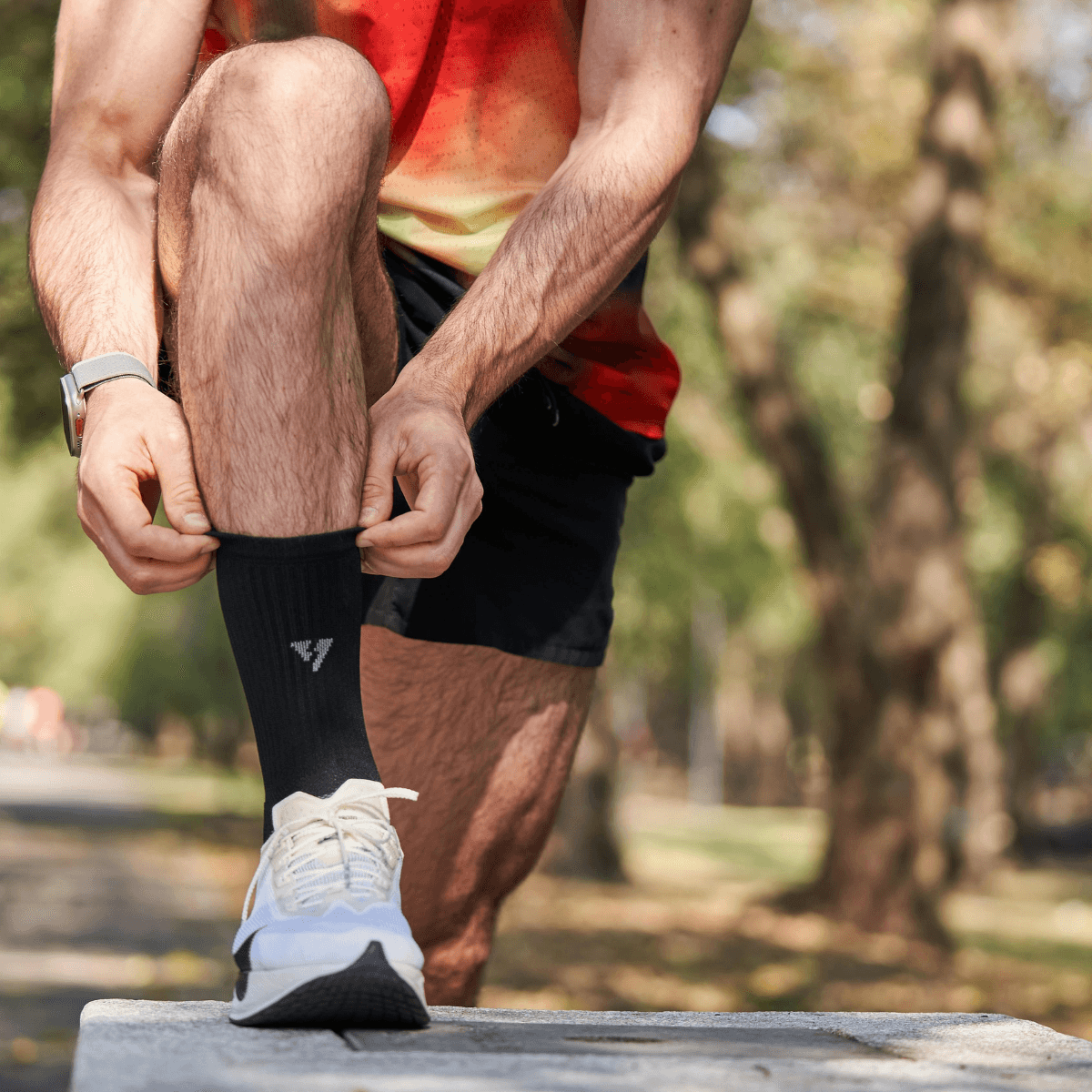
How to Start a Fitness Journey for Beginners
Starting a fitness journey is one of the best decisions you can make for your health, but it is also where most people feel confused, overwhelmed, or unsure of what to do next. With endless advice online, complicated workout plans, and unrealistic expectations, beginners often struggle not because they lack motivation, but because they don’t know where to start.
The truth is, beginning your fitness journey does not require perfection, expensive memberships, or extreme routines. It requires a simple, clear approach that you can follow consistently. Fitness is not about doing everything at once it is about doing the right things repeatedly over time.
Start with a Clear Goal
The first and most important step is understanding why you want to start. Your goal does not have to be complicated, but it should be clear.
You might want to:
Lose weight
Gain strength
Improve stamina
Feel more energetic
Build a healthier lifestyle
Having a clear goal gives direction to your efforts. It helps you stay focused and prevents you from jumping between different routines without consistency.
However, it is important to keep your expectations realistic. Fitness is a long-term process, not a quick fix.
Keep It Simple in the Beginning
One of the biggest mistakes beginners make is trying to do too much too soon. Intense workouts, strict diets, and unrealistic schedules often lead to burnout.
Instead, start simple.
You can begin with:
20–30 minutes of daily walking
Basic bodyweight exercises
Light stretching
The purpose at this stage is not to achieve maximum results, but to build a habit. Once your body adapts, you can gradually increase intensity and complexity.
Focus on Consistency, Not Perfection
Consistency is the most important factor in fitness. It is better to do a simple workout regularly than to follow a perfect routine inconsistently.
Many beginners quit because they miss a few days and feel like they have failed. In reality, missing a day is normal. What matters is getting back on track.
Fitness is built over weeks and months, not days. Showing up regularly, even with small efforts, creates long-term results.
Build a Basic Workout Routine
As a beginner, you don’t need complicated plans. A simple routine covering basic movements is enough.
You can include:
Squats (for legs)
Push-ups (for upper body)
Planks (for core)
Walking or light jogging (for cardio)
These exercises target major muscle groups and help build overall strength and endurance.
Start with 3–4 days a week and gradually increase as your body becomes stronger.
Don’t Ignore Nutrition
Exercise alone is not enough. What you eat plays a major role in your results.
A balanced diet should include:
Protein for muscle repair
Healthy fats for energy and hormones
Complex carbohydrates for sustained energy
Vitamins and minerals for overall health
Many beginners either under-eat or follow extreme diets, which can reduce energy and slow progress. Instead, focus on balanced and sustainable eating habits.
Stay Hydrated
Hydration is often overlooked but is essential for performance and recovery. Water helps regulate body temperature, supports digestion, and improves energy levels.
Even mild dehydration can lead to fatigue, reduced focus, and poor workout performance.
Make it a habit to drink water throughout the day, especially before and after exercise.
Prioritize Sleep and Recovery
Your body does not grow or improve during workouts it improves during recovery.
Sleep is when your body repairs muscles, balances hormones, and restores energy. Without proper rest, your progress will be limited, no matter how hard you train.
Aim for consistent and quality sleep to support your fitness journey.
Avoid Comparison
One of the biggest challenges beginners face is comparing themselves to others. Social media often shows advanced fitness levels, which can create unrealistic expectations.
Remember, everyone starts somewhere. Your journey is unique, and progress takes time.
Focus on improving yourself rather than competing with others.
Stay Patient and Trust the Process
Results in fitness are gradual. You may not see visible changes in the first few weeks, but that does not mean progress is not happening.
Your body is adapting internally:
Improving strength
Increasing stamina
Enhancing metabolism
Visible results will follow with time and consistency.
Patience is key.
When to Upgrade Your Routine
As your fitness improves, your body will adapt to your routine. This is the right time to increase intensity.
You can:
Add more repetitions
Increase workout duration
Introduce weights or resistance
Join a gym if needed
Progressive improvement keeps your body challenged and ensures continuous results.
Supporting Your Fitness Journey
To get the best results, your fitness journey should be supported by a complete lifestyle approach.
This includes:
Proper nutrition
Hydration
Sleep
Stress management
Each of these factors plays a role in how your body performs and recovers.
Final Thoughts
Starting a fitness journey is not about being perfect it is about being consistent.
You don’t need complicated plans or extreme routines. You need a simple system that fits your life and that you can follow every day.
The Real Upgrade
If you want real results:
✔ Start small
✔ Stay consistent
✔ Improve gradually
Because in the end, fitness is not a short-term goal it is a long-term lifestyle.