
Dinner is where many people lose control of healthy eating.
After a long day, people usually choose:
Heavy restaurant food
Fried snacks
Overeating at night
Processed convenience meals
The result is poor digestion, heaviness, unstable sleep, and excessive calorie intake.
A better dinner should feel:
Filling
Light on digestion
Rich in protein
Easy to prepare
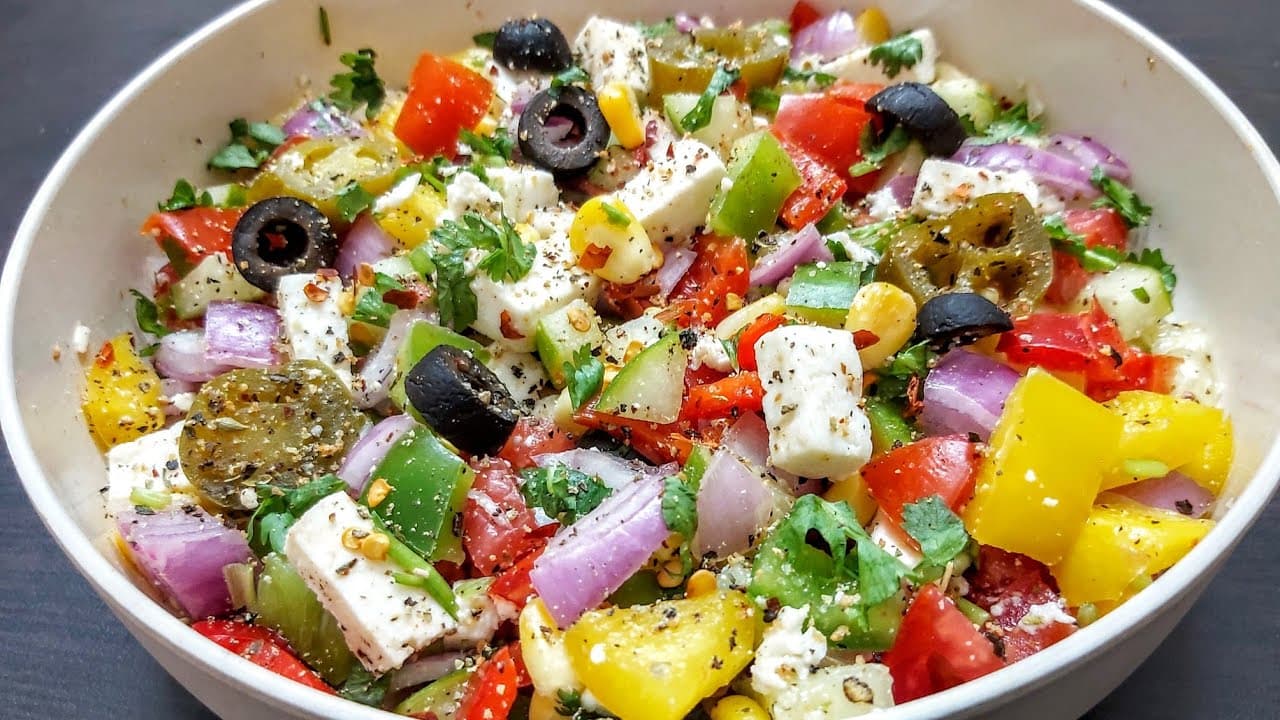
This is where a simple high-protein vegetarian dinner bowl becomes useful.
It supports fullness without creating the uncomfortable heaviness that many oily dinners cause.
The biggest advantage of high-protein dinners is appetite control. Protein digests more slowly than refined carbohydrates, helping reduce late-night hunger and unnecessary snacking.
This recipe is designed to be practical, balanced, and sustainable for everyday use.
Ingredients
100g paneer or tofu cubes
½ cup boiled chickpeas
1 small cucumber (chopped)
1 small tomato (chopped)
½ onion (sliced)
1 handful lettuce or spinach
1 teaspoon olive oil or ghee
Salt and black pepper
Lemon juice
Optional Additions
Roasted seeds
Capsicum
Carrot
Boiled sweet corn
Fresh coriander leaves
How to Prepare
Heat a pan lightly with a small amount of oil or ghee.
Cook paneer or tofu cubes for 3–4 minutes until lightly golden.
In a bowl, combine vegetables, boiled chickpeas, and greens.
Add cooked paneer or tofu.
Sprinkle salt, black pepper, and lemon juice.
Mix gently and serve fresh.
Total preparation time: around 15 minutes.
Why This Recipe Works
Paneer, tofu, and chickpeas provide vegetarian protein that improves fullness and supports muscle maintenance.
Vegetables increase fiber and meal volume without making the meal calorie-heavy.
Because the recipe avoids excessive oil and refined ingredients, digestion feels lighter and more comfortable at night.
The balance of protein, fiber, and healthy fats helps reduce sudden hunger later in the evening.
This makes the recipe useful for people trying to manage weight without extreme dieting.
Best Time to Eat This
This recipe works best:
Dinner
Light evening meal
Post-workout dinner
Weight management meal
It is especially useful for people who feel heavy or bloated after traditional large dinners.
Common Mistakes to Avoid
Using excessive dressing or mayonnaise
Adding fried ingredients
Eating oversized portions late at night
Healthy dinners should feel satisfying not overloaded.
How to Make It More Filling
If you need stronger fullness, you can add:
Quinoa
Brown rice
Extra chickpeas
Sprouts
Roasted peanuts
This improves meal balance while still keeping it healthier than processed dinners.
Why Light High-Protein Dinners Matter
Many people focus only on reducing calories for weight management.
But extreme restriction usually fails because hunger becomes too strong.
Balanced high-protein meals improve:
Fullness
Portion control
Meal satisfaction
Long-term consistency
That’s why sustainable eating works better than crash dieting.
Conclusion
A healthy dinner should support recovery and fullness not just reduce calories.
Balanced protein-rich meals make healthy eating easier to maintain long term.