
Introduction
For years, fat has been treated like the enemy of health.
People were told to avoid oil, skip butter, and choose “low-fat” foods if they wanted to stay fit or lose weight. Supermarkets filled up with low-fat products, and the idea became deeply rooted fat makes you fat.
But here’s the reality: that advice was incomplete, and in many cases, completely wrong.
Fats are not the problem. In fact, removing the right fats from your diet can damage your metabolism, mess with your hormones, and make fat loss harder not easier.
The real issue is not fat itself, but the type and quality of fat you consume. Once you understand this, your entire approach to nutrition changes.
Why Your Body Actually Needs Fat
Fat is not just a source of calories. It plays a critical role in how your body functions every single day.
Your body uses fats to produce hormones, including testosterone and other essential hormones that regulate metabolism, energy, and recovery. Without enough fat, hormonal balance starts to decline, which can affect everything from mood to muscle growth.
Fats are also necessary for absorbing fat-soluble vitamins like A, D, E, and K. You could be eating nutrient-rich food, but without fat, your body won’t fully absorb those nutrients.
Even your brain depends heavily on fat. A significant portion of your brain is made up of fat, and healthy fats support cognitive function, focus, and mental clarity.
Removing fats doesn’t make your diet cleaner it makes it incomplete.
The Biggest Myth: “Fat Makes You Fat”
This is where most people go wrong.
Eating fat does not automatically lead to fat gain. Your body gains fat when you consistently consume more calories than you burn. That surplus can come from carbs, fats, or even protein.
In fact, diets that completely remove fats often backfire. When fats are reduced, people tend to replace them with refined carbohydrates or sugar-heavy foods. This leads to rapid blood sugar spikes, increased hunger, and more frequent eating.
Ironically, trying to avoid fat often leads to more fat gain.
Healthy fats, when consumed in the right amount, actually help control appetite and reduce overeating. They slow digestion and keep you feeling full for longer, making it easier to maintain a calorie balance.
Understanding the Difference Between Good Fats and Bad Fats
Not all fats are created equal, and this is where clarity matters.
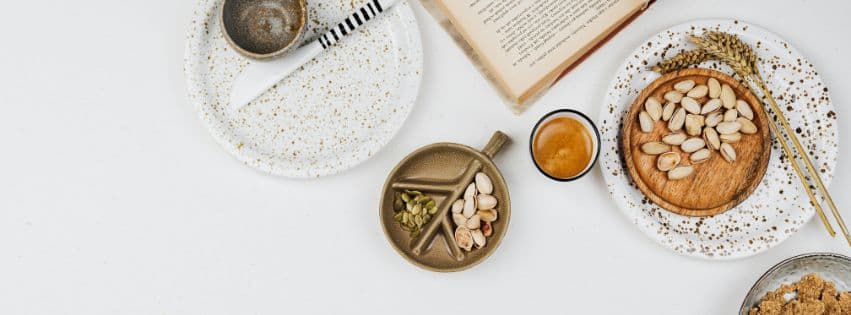
Healthy fats include monounsaturated and polyunsaturated fats. These are found in foods like nuts, seeds, olive oil, and certain plant-based sources. These fats support heart health, reduce inflammation, and improve overall metabolic function.
On the other hand, trans fats and highly processed fats are harmful. These are commonly found in fried foods, packaged snacks, and cheap processed oils. These fats increase inflammation and are linked to heart disease and other health problems.
The problem is not fat it’s the kind of fat you choose.
How Healthy Fats Support Fat Loss
It sounds counterintuitive, but fats can actually support fat loss when used correctly.
Healthy fats slow down digestion, which helps regulate hunger hormones. When your meals include a good balance of fats, you feel satisfied for longer periods, reducing unnecessary snacking.
They also help stabilize blood sugar levels, preventing sudden spikes and crashes that lead to cravings.
Another important factor is sustainability. Diets that include healthy fats are easier to follow long-term because they are more satisfying. Extreme low-fat diets often lead to frustration, cravings, and eventually binge eating.
Fat loss is not just about cutting calories it’s about managing hunger, energy, and consistency. Healthy fats help with all three.
The Role of Fats in Hormonal Health
This is something most people underestimate.
Hormones control everything fat storage, muscle growth, energy levels, mood, and even sleep. And fats are a key building block for many hormones.
Low-fat diets can reduce hormone production, especially in men where testosterone levels can drop. In women, hormonal imbalances can lead to issues like fatigue, mood swings, and metabolic slowdown.
When your hormones are off, your body doesn’t function efficiently, no matter how strict your diet is.
Including healthy fats ensures that your hormonal system stays balanced, which directly impacts your overall health and fitness.
Why Completely Avoiding Fat Backfires
When people try to eliminate fats completely, they usually experience short-term results followed by long-term problems.
Energy levels drop because fats are a stable source of fuel. Hunger increases because meals become less satisfying. Nutrient absorption declines, and hormonal balance starts to shift.
Eventually, the body pushes back. Cravings increase, discipline weakens, and people fall off track.
This is why extreme diets don’t work long-term. Balance always wins.
How to Include Healthy Fats in Your Daily Diet
Incorporating healthy fats does not require a complicated plan. It’s about making smarter choices consistently.
Using good quality cooking oils instead of refined ones is a simple start. Adding nuts or seeds to meals can significantly improve fat intake. Including natural sources like plant-based oils or whole foods ensures your diet remains balanced.
The key is moderation. Healthy fats are beneficial, but they are still calorie-dense. Overconsumption can slow down fat loss if not managed properly.
The goal is not high fat it’s the right amount of the right fats.
The Balance Between Fats, Carbs, and Protein
A well-structured diet is not about eliminating one macronutrient. It’s about balance.
Protein supports muscle repair and growth. Carbohydrates provide energy. Fats regulate hormones and improve satiety.
When one of these is missing, the system becomes unstable.
The best approach is not extreme restriction, but intelligent distribution based on your lifestyle, activity level, and goals.
Conclusion
Fearing fat is outdated thinking.
Healthy fats are not your enemy they are a critical part of a functional, sustainable, and effective diet. Removing them can do more harm than good, especially in the long run.
If your goal is better health, improved energy, stable hormones, and sustainable fat loss, then healthy fats need to be part of your daily nutrition.
The real shift is not in removing fats, but in understanding them.
Once you stop fearing fats and start using them correctly, your body responds in a completely different way.