
Introduction
Most people think Omega-3 is just “good for health.”
That’s vague and useless.
Here’s the real issue:
Your body shows clear signs when Omega-3 levels are low.
The problem?
You ignore them or misinterpret them.
And over time, that affects:
Brain function
Heart health
Energy levels
Let’s break down the signs your body is already giving you.
Why Omega-3 Matters
Omega-3 fatty acids (especially DHA & EPA) are essential.
Your body cannot produce them efficiently, so you must get them from diet or supplements.
They play a key role in:
Brain function
Inflammation control
Heart health
Cell structure
Without enough Omega-3, your system starts underperforming.
7 Signs You May Be Deficient in Omega-3
1. Dry, Rough Skin
If your skin feels:
Dry
Flaky
Irritated
It may not just be hydration it could be lack of healthy fats.
Omega-3 helps maintain skin barrier and moisture.
2. Brain Fog and Poor Focus
Struggling to:
Concentrate
Stay mentally sharp
Think clearly
DHA (a type of Omega-3) is a major component of your brain.
Low levels = reduced cognitive performance.
3. Constant Fatigue
Feeling tired even after rest?
This could be due to:
Poor cell function
Inflammation
Omega-3 helps improve cellular efficiency and energy balance.
4. Joint Pain or Stiffness
If your joints feel:
Stiff
Achy
Omega-3 has anti-inflammatory properties that support joint health.
Low intake = higher inflammation.
5. Mood Swings or Low Motivation
Omega-3 plays a role in:
Brain chemistry
Emotional balance
Deficiency may contribute to:
Irritability
Low mood
Lack of motivation
6. Poor Eye Health
Experiencing:
Dry eyes
Eye strain
Screen fatigue
DHA is critical for eye function.
Low levels can affect vision comfort and performance.
7. Weak Immunity
Frequent:
Colds
Infections
Omega-3 helps regulate immune response.
Without it, your body struggles to defend itself efficiently.
Why This Is Common (Especially in India)
Here’s the uncomfortable truth:
Most Indian diets:
Are low in EPA & DHA
Lack fatty fish intake
Rely heavily on Omega-6 oils
This creates an imbalance:
Too much Omega-6
Too little Omega-3
Which increases inflammation in the body.
Food Sources vs Reality
You may think:
“I eat healthy, so I’m fine.”
But real sources of EPA & DHA are limited:
Fatty fish (not common in vegetarian diets)
Algae (rare in daily meals)
Plant sources like flaxseed provide ALA,
but conversion to DHA/EPA is very low.
The Practical Solution
Let’s be real.
Fixing Omega-3 deficiency through food alone is difficult especially if you’re vegetarian.
That’s where supplementation becomes practical.
What to Look for in an Omega Supplement
Don’t just buy anything.
Look for:
DHA + EPA (not just ALA)
Plant-based (algae oil) if vegetarian
Proper dosage
Where Smart Supplementation Helps
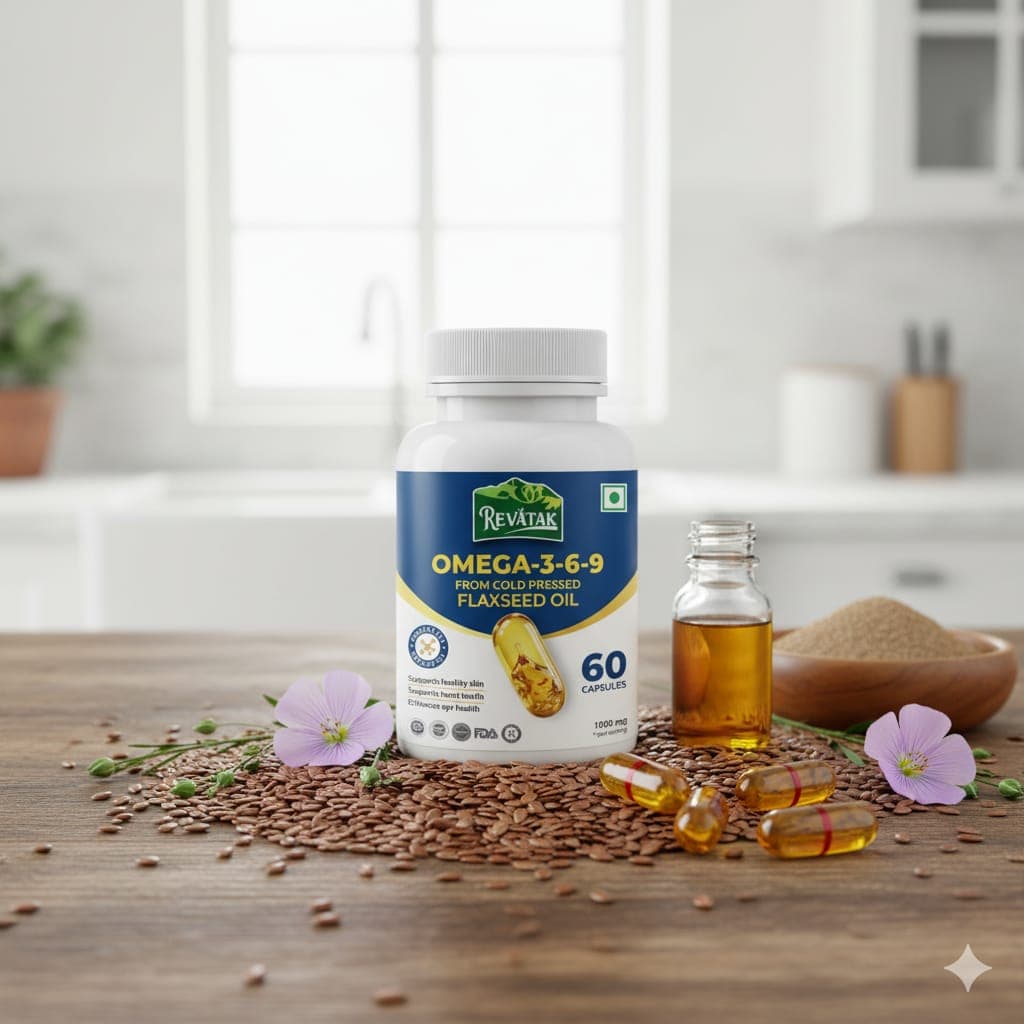
A well-formulated option like Revatak Vegan Omega 3-6-9 provides:
Balanced fatty acids
Plant-based DHA support
Better daily consistency
This helps:
Improve brain function
Reduce inflammation
Support overall health
The Hard Truth
You won’t notice Omega-3 deficiency in one day.
But over time:
Focus drops
Energy declines
Health issues build up
And by then, it’s harder to fix.
Conclusion
Omega-3 is not optional it’s essential.
Your body is already showing signs if you’re lacking it.
The question is:
Are you paying attention?